...

Quick Navigation

Air Quality Warning Signs

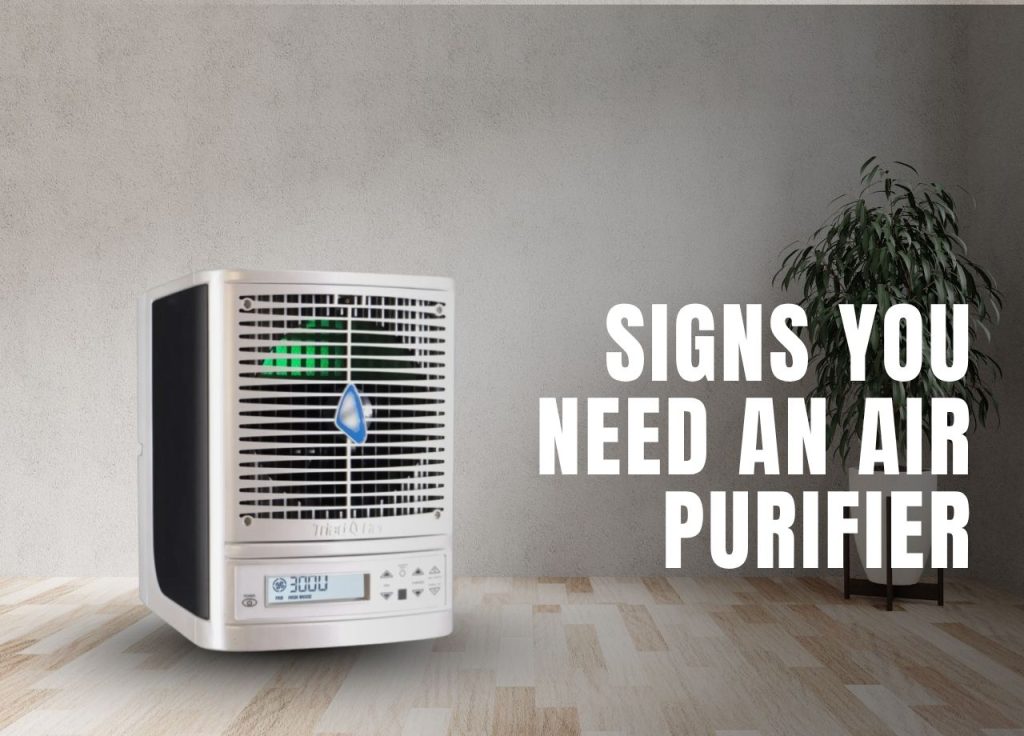
Signs You Need an Air Purifier

Indoor air in residential, commercial and industrial properties often contains harmful chemical toxins that may not be visible to the naked eye. These air pollutants in indoor air include dust particles, pollen, allergens, bacteria, pet dander, mold spores, smoke residue, and volatile organic compounds (VOCs). Some of these airborne pollutants are released from furniture, paint, cleaning products and everyday household materials. Most modern homes and offices are tightly sealed for energy efficiency and have limited natural airflow. Proper airflow inside is essential to keep your indoor air quality healthy and safe to breathe in. Air contaminants pollute your indoor air and cause several health issues such as headaches, throat irritation, sneezing, coughing, sinus congestion, and shortness of breath. Poor indoor air quality is hazardous for people who have dust allergies, asthma and breathing problems. Here are some of the most common signs and warnings that you have poor indoor air quality and should install an advanced air purifier on your property.
How Indoor Air Quality Affects Everyday Life

Most people spend approximately 90% of their everyday time indoors, and it is important to maintain good indoor air quality for a healthy life. Indoor air quality also affects daily comfort, health, and overall well-being. If indoor air quality at your home or office has excessive levels of dust, allergens, pollutants and VOCs, it causes physical and environmental issues that influence your daily life. Airborne pollutants can cause respiratory discomfort, and people with breathing problems are sensitive to these pollutants. Poor indoor air quality can trigger allergies and disturb your peaceful sleep cycles. Air purifiers help you eliminate and reduce air contaminants and maintain a healthy indoor environment.

8 Warning Signs You Need an Air Purifier

Frequent Allergy Symptoms Indoors

One of the first and most important signs of poor indoor air quality is constant allergy symptoms when you spend most of your time indoors. When you spend a large portion of your day and night indoors with poor indoor air quality, you may experience itchy eyes, runny nose, nasal congestion, and throat irritation. Latest air purification units capture even micro dust particles and remove them from your indoor environment. These air filtration systems are also effective against gases, bacteria and unpleasant odors. These systems also help you reduce mold spore concentration and help you breathe in safe and healthy air.

Excessive Dust Accumulation

Dust particles naturally float in our indoor and outdoor air and build up on walls, surfaces, materials, furniture and every household item. If you notice unusual dust accumulation on tables, shelves, electronics, and countertops, it may be an indicator of a high concentration of airborne particles. These dust particles circulate in your indoor air and make your indoor air unhealthy. Modern air purification systems effectively reduce all types of dust particles, such as dirt, skin cells, fabric fibers, pollen, and other microscopic contaminants.

Unpleasant Indoor Odors

Persistent odors and smells are also an indicator of unhealthy indoor air. Indoor odors such as cooking smells, pet odors, smoke residue, mildew odors, and chemical scents from cleaning products may remain trapped in your indoor environment. If your home or commercial building has a poor ventilation system, these odors may remain in the air permanently due to everyday cooking and cleaning habits. Without proper airflow, these odors continue to linger in indoor air even if you clean regularly and have a ventilation system. Powerful air purifiers have carbon filtration systems that help you reduce odor compounds and improve overall air freshness.

Pet Hair and Dander

Pets are like part of the family, and many people spend quality time with their beloved pets. But our friendly pets, such as dogs, cats, birds and other animals, release dander, hair, feathers, and microscopic particles into the air and affect our indoor air quality. Without air purification, these particles can remain in our indoor air for an extended period and trigger allergic reactions. An air purifier is an essential need for homeowners with multiple pets because their households may have higher concentrations of pet dander and allergens.

Visible Mold Growth and Musty Smells

Mold grows in high humidity levels, and it thrives in humid and damp climates such as bathrooms, basements and laundry rooms. If your property has water leaks or has recently experienced water damage, there is a high chance of mold growth on your property. Mold may not be visible in initial growth stages, but if your indoor air smells like a musty odor, it may be an indicator of mold infestation. Air purifiers with HEPA filtration technology, activated carbon air filtration technology, UVC light technology and PECO technology efficiently remove mold spores from the indoor air.

Exposure to Indoor Smoke

If you or anyone in your home, office, or apartment smokes cigarettes indoors, an air purifier can help reduce airborne smoke particles. Tobacco smoke, vape smoke, and fireplace smoke contaminate your indoor air. Smoke particles are very small and can remain suspended in your indoor atmosphere. Indoor smoke can aggravate existing lung conditions and cause many health issues. An indoor air purifier is critical if you have children, elderly people or people who are sensitive to respiratory diseases in your home.

Recent Home Renovations

If you recently had renovation or remodeling services for your property, you should install an air purifier. During or after home and office renovations, your indoor air quality becomes poor due to the release of dust, wood particles, paint fumes, adhesives, and other air pollutants. Newly built floors, furniture, cabinets, and building materials may also emit VOCs through the off-gassing process. Some of the best air purifiers have HEPA air filtration and activated carbon air filtration systems that are highly effective at improving overall indoor air quality.

Poor Outdoor Air Quality in Your Neighborhood

If you live in an area that has high air pollution levels, it is a smart option to install an air purifier in your home. Outdoor air contaminants enter your home through windows, doors, ventilation systems, and small gaps around the building. Outdoor air pollutants include airborne dust, wildfire smoke, traffic emissions, industrial pollution, and other airborne pollutants. Air purifiers that have a high Clean Air Delivery Rate (CADR) and use multiple air filtration technologies are effective at removing outdoor air pollutants from residential indoor air.

Which Air Purifier Is Best for Your Home?

It is important that you select the right air purifier for your home that matches your room size, air filtration requirements and has energy-efficient capabilities. Different households have distinct room sizes and fluctuating air pollution levels. HEPA air purifiers are best for general everyday use because they efficiently capture and remove extremely fine particles such as dust, pollen, pet dander, mold spores, and many airborne allergens.

Activated carbon air purifiers are effective against harmful chemical pollutants and unpleasant odors in your indoor air. UV-C air purifiers work best to neutralize bacteria, viruses, and microorganisms in the air. Ionization air filtration systems are also a top choice of many homeowners. It is important to make sure that the air purifier you choose offers advanced features such as night mode, auto air filtration mode and filter replacement alerts.

Essential Advanced Features to Consider

Frequently Asked Questions

How do I detect poor indoor air quality?

There are many environmental and daily life routine signs that indicate poor indoor air quality in your homes and offices. Some indicators of unhealthy indoor air are allergy symptoms, excessive dust, unpleasant odors, visible mold, stuffy air, and more.

Air purifiers with advanced air cleaning technologies effectively reduce mold spore concentration in indoor air. Mold remediation is recommended for proper mold removal from your property because air purifiers only clean the air, and they cannot remove mold from your property.

Final Thoughts

Poor indoor air quality issues may not be visible at first, but there are many signs that indicate you need an effective solution to improve indoor environmental conditions. Homeowners and commercial property owners can detect polluted indoor air quality by noticing musty smells, mold infestation, dust accumulation, poor ventilation issues and respiratory health issues. Air purifiers help you breathe in fresh and safe air and improve your daily life comfort. Air purifiers are a smart investment to create a safe and healthy environment for you and your loved ones.

Air Quality Warning Signs

Signs You Need an Air Purifier

Indoor air in residential, commercial and industrial properties often contains harmful chemical toxins that may not be visible to the naked eye. These air pollutants in indoor air include dust particles, pollen, allergens, bacteria, pet dander, mold spores, smoke residue, and volatile organic compounds (VOCs). Some of these airborne pollutants are released from furniture, paint, cleaning products and everyday household materials. Most modern homes and offices are tightly sealed for energy efficiency and have limited natural airflow. Proper airflow inside is essential to keep your indoor air quality healthy and safe to breathe in. Air contaminants pollute your indoor air and cause several health issues such as headaches, throat irritation, sneezing, coughing, sinus congestion, and shortness of breath. Poor indoor air quality is hazardous for people who have dust allergies, asthma and breathing problems. Here are some of the most common signs and warnings that you have poor indoor air quality and should install an advanced air purifier on your property.

Quick Navigation

How Indoor Air Quality Affects Everyday Life

Most people spend approximately 90% of their everyday time indoors, and it is important to maintain good indoor air quality for a healthy life. Indoor air quality also affects daily comfort, health, and overall well-being. If indoor air quality at your home or office has excessive levels of dust, allergens, pollutants and VOCs, it causes physical and environmental issues that influence your daily life. Airborne pollutants can cause respiratory discomfort, and people with breathing problems are sensitive to these pollutants. Poor indoor air quality can trigger allergies and disturb your peaceful sleep cycles. Air purifiers help you eliminate and reduce air contaminants and maintain a healthy indoor environment.

8 Warning Signs You Need an Air Purifier

Frequent Allergy Symptoms Indoors

One of the first and most important signs of poor indoor air quality is constant allergy symptoms when you spend most of your time indoors. When you spend a large portion of your day and night indoors with poor indoor air quality, you may experience itchy eyes, runny nose, nasal congestion, and throat irritation. Latest air purification units capture even micro dust particles and remove them from your indoor environment. These air filtration systems are also effective against gases, bacteria and unpleasant odors. These systems also help you reduce mold spore concentration and help you breathe in safe and healthy air.

Excessive Dust Accumulation

Dust particles naturally float in our indoor and outdoor air and build up on walls, surfaces, materials, furniture and every household item. If you notice unusual dust accumulation on tables, shelves, electronics, and countertops, it may be an indicator of a high concentration of airborne particles. These dust particles circulate in your indoor air and make your indoor air unhealthy. Modern air purification systems effectively reduce all types of dust particles, such as dirt, skin cells, fabric fibers, pollen, and other microscopic contaminants.

Unpleasant Indoor Odors

Persistent odors and smells are also an indicator of unhealthy indoor air. Indoor odors such as cooking smells, pet odors, smoke residue, mildew odors, and chemical scents from cleaning products may remain trapped in your indoor environment. If your home or commercial building has a poor ventilation system, these odors may remain in the air permanently due to everyday cooking and cleaning habits. Without proper airflow, these odors continue to linger in indoor air even if you clean regularly and have a ventilation system. Powerful air purifiers have carbon filtration systems that help you reduce odor compounds and improve overall air freshness.

Pet Hair and Dander

Pets are like part of the family, and many people spend quality time with their beloved pets. But our friendly pets, such as dogs, cats, birds and other animals, release dander, hair, feathers, and microscopic particles into the air and affect our indoor air quality. Without air purification, these particles can remain in our indoor air for an extended period and trigger allergic reactions. An air purifier is an essential need for homeowners with multiple pets because their households may have higher concentrations of pet dander and allergens.

Visible Mold Growth and Musty Smells

Mold grows in high humidity levels, and it thrives in humid and damp climates such as bathrooms, basements and laundry rooms. If your property has water leaks or has recently experienced water damage, there is a high chance of mold growth on your property. Mold may not be visible in initial growth stages, but if your indoor air smells like a musty odor, it may be an indicator of mold infestation. Air purifiers with HEPA filtration technology, activated carbon air filtration technology, UVC light technology and PECO technology efficiently remove mold spores from the indoor air.

Exposure to Indoor Smoke

If you or anyone in your home, office, or apartment smokes cigarettes indoors, an air purifier can help reduce airborne smoke particles. Tobacco smoke, vape smoke, and fireplace smoke contaminate your indoor air. Smoke particles are very small and can remain suspended in your indoor atmosphere. Indoor smoke can aggravate existing lung conditions and cause many health issues. An indoor air purifier is critical if you have children, elderly people or people who are sensitive to respiratory diseases in your home.

Recent Home Renovations

If you recently had renovation or remodeling services for your property, you should install an air purifier. During or after home and office renovations, your indoor air quality becomes poor due to the release of dust, wood particles, paint fumes, adhesives, and other air pollutants. Newly built floors, furniture, cabinets, and building materials may also emit VOCs through the off-gassing process. Some of the best air purifiers have HEPA air filtration and activated carbon air filtration systems that are highly effective at improving overall indoor air quality.

Poor Outdoor Air Quality in Your Neighborhood

If you live in an area that has high air pollution levels, it is a smart option to install an air purifier in your home. Outdoor air contaminants enter your home through windows, doors, ventilation systems, and small gaps around the building. Outdoor air pollutants include airborne dust, wildfire smoke, traffic emissions, industrial pollution, and other airborne pollutants. Air purifiers that have a high Clean Air Delivery Rate (CADR) and use multiple air filtration technologies are effective at removing outdoor air pollutants from residential indoor air.

Which Air Purifier Is Best for Your Home?

It is important that you select the right air purifier for your home that matches your room size, air filtration requirements and has energy-efficient capabilities. Different households have distinct room sizes and fluctuating air pollution levels. HEPA air purifiers are best for general everyday use because they efficiently capture and remove extremely fine particles such as dust, pollen, pet dander, mold spores, and many airborne allergens.

Activated carbon air purifiers are effective against harmful chemical pollutants and unpleasant odors in your indoor air. UV-C air purifiers work best to neutralize bacteria, viruses, and microorganisms in the air. Ionization air filtration systems are also a top choice of many homeowners. It is important to make sure that the air purifier you choose offers advanced features such as night mode, auto air filtration mode and filter replacement alerts.

Essential Advanced Features to Consider

Frequently Asked Questions

How do I detect poor indoor air quality?

There are many environmental and daily life routine signs that indicate poor indoor air quality in your homes and offices. Some indicators of unhealthy indoor air are allergy symptoms, excessive dust, unpleasant odors, visible mold, stuffy air, and more.

Air purifiers with advanced air cleaning technologies effectively reduce mold spore concentration in indoor air. Mold remediation is recommended for proper mold removal from your property because air purifiers only clean the air, and they cannot remove mold from your property.

Final Thoughts

Poor indoor air quality issues may not be visible at first, but there are many signs that indicate you need an effective solution to improve indoor environmental conditions. Homeowners and commercial property owners can detect polluted indoor air quality by noticing musty smells, mold infestation, dust accumulation, poor ventilation issues and respiratory health issues. Air purifiers help you breathe in fresh and safe air and improve your daily life comfort. Air purifiers are a smart investment to create a safe and healthy environment for you and your loved ones.